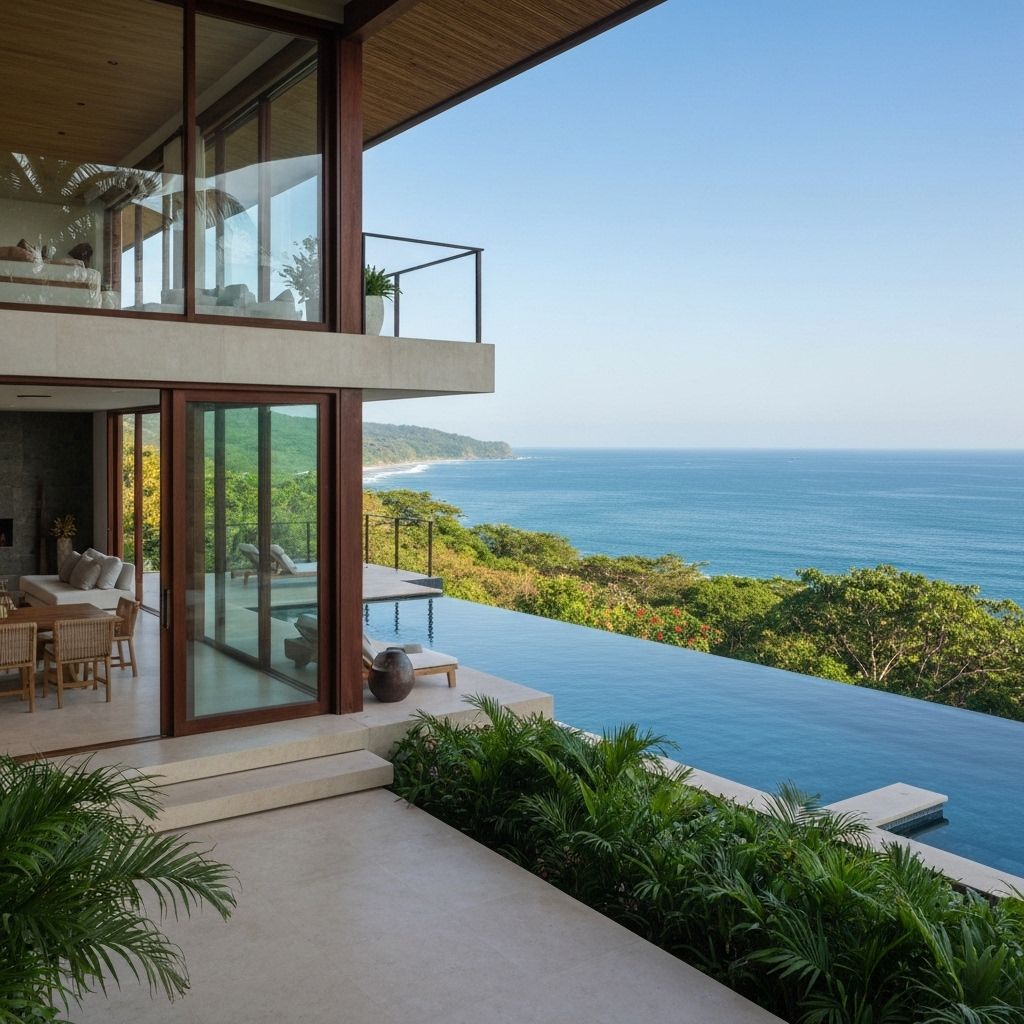
Santa Teresa is small on the map but big in variety. Two homes can be 10 minutes apart and feel like different markets—access roads, guest expectations, noise levels, and resale demand all shift quickly.
This guide breaks down Santa Teresa and nearby Mal País into a simple decision framework so you can narrow your search.
If you want a high-level overview first, start here: Santa Teresa Real Estate.
Key takeaways
- Start by defining your primary goal (lifestyle, rental performance, privacy, or development potential).
- In Santa Teresa, access and infrastructure can matter as much as the view.
- Match neighborhood “promise” to property features for stronger rentals and resale clarity.
The “right” neighborhood depends on your goal
Before you compare listings, decide what you are optimizing:
- Lifestyle-first: walkability, beach access, restaurants, community
- Rental-first: occupancy potential, guest convenience, reliable access year-round
- Privacy-first: larger lots, more separation, quiet, ocean views
- Development-first: zoning, access, utilities, topography, permitting runway
Most buyers are a blend. The trick is to pick your top two.
Common micro-areas buyers compare
1) Central Santa Teresa (high convenience)
Best for:
- Walk-to-beach routines
- Guests who want restaurants and shops close
- Owners who plan to visit often
Watch-outs:
- Noise can vary by street
- Parking and access can be tighter
2) North Santa Teresa (space + calm)
Best for:
- More space and privacy
- Buyers who want a quieter feel
- Homes that lean “wellness retreat” in positioning
Watch-outs:
- Guests may drive more
- Road quality matters a lot in rainy season
3) Mal País (quiet, natural, premium privacy)
Best for:
- Privacy and a more secluded atmosphere
- Buyers who prefer nature-forward living
- Unique homes where architecture and setting sell the stay
Watch-outs:
- Access and services can be more spread out
- Some guests prefer to be closer to Santa Teresa’s core
Quick checklist: what to verify on every property
Even within the same neighborhood, the property itself can make or break the plan.
- Road access: year-round drivability, drainage, steepness
- Water: source reliability (especially in dry months)
- Power + internet: capacity, backups, install timeline
- Topography: buildability, erosion, retaining walls
- Distance-to-beach reality: walking in the heat is different than on a map
Rental strategy by neighborhood
If you’re buying to rent, align the neighborhood with the guest promise:
- Convenience areas sell “walkability + easy logistics.”
- Quieter areas sell “privacy + wellness + views.”
- Mal País often sells “secluded luxury + nature.”
Then match the property features (pool, AC, backup power, strong internet) to the promise.
FAQ
Is it better to be beachfront?
Beachfront is premium, but many top-performing rentals are ocean-view with excellent access, strong amenities, and a clear brand story.
What should I prioritize for resale?
Access and infrastructure, a coherent property concept, and strong build quality/documentation tend to protect resale.
Does rainy season change which neighborhoods work best?
It can. Road condition, drainage, and water reliability become much more important, especially for rental operations.
Next step
Want help narrowing areas and property types? Explore Real Estate or talk to our team through Property Management if you’re also evaluating rental operations.